Aerospace Lab for Photovoltaic and High-Altitude Applications

Aircraft for every atmosphere.

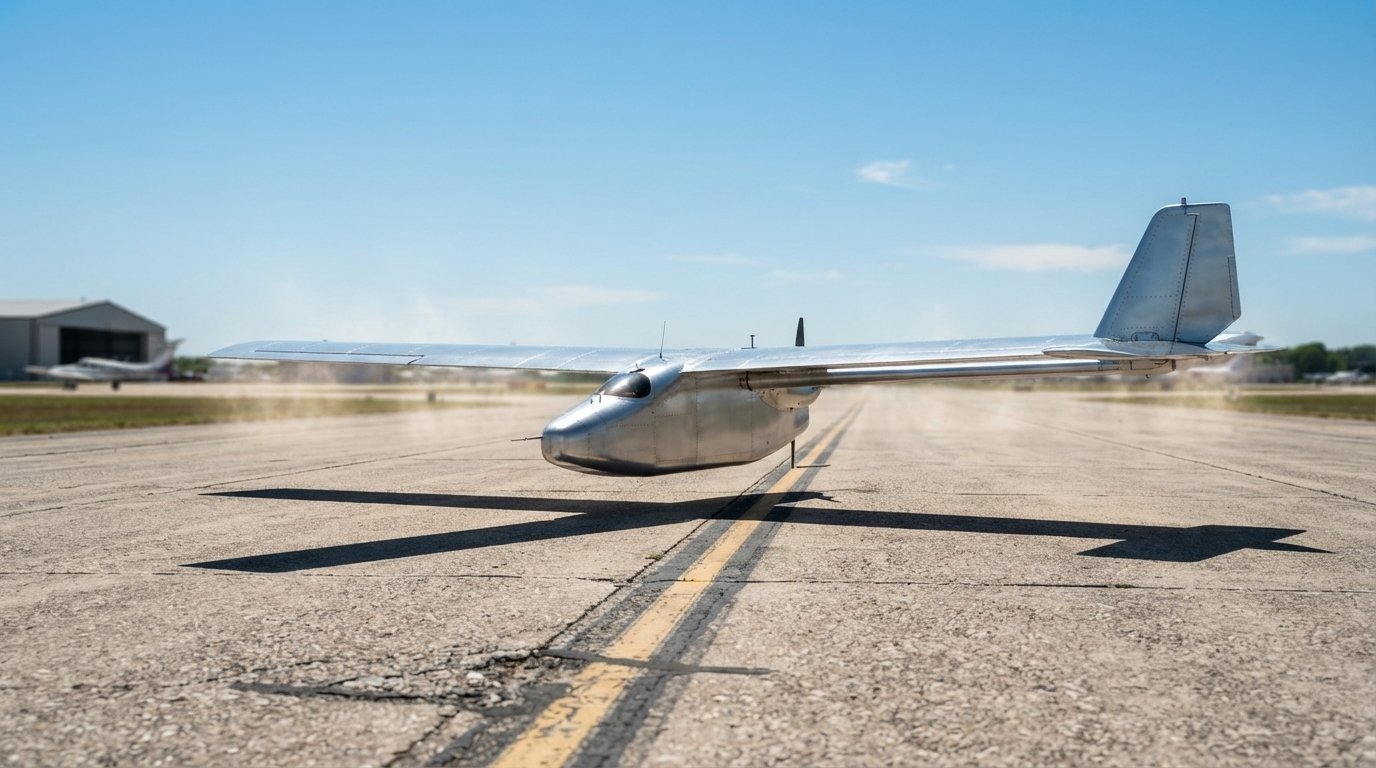
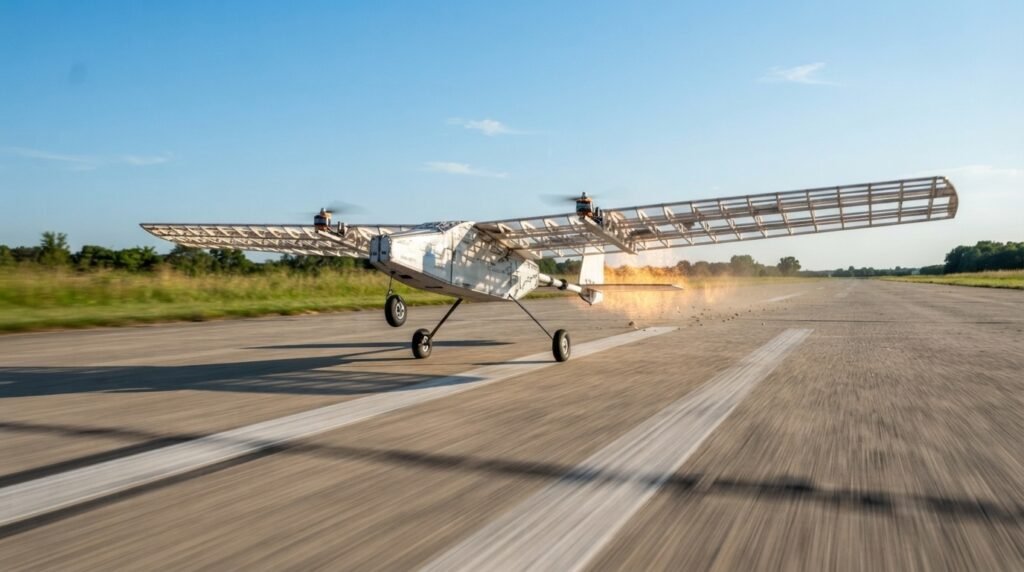
Space ALPHA designs autonomous aerial systems for defense, civilian, and planetary applications u2014 interceptor drones, solar-powered endurance gliders, morphing-wing aircraft, and the software that flies them.

space Lab for Photovoltaic and High-Altitude Applications

One engineering core

Three operating domains. Browse by the mission, not the airframe.

01

Defense

Small drones changed the battlefield; intercepting them shouldn’t require a missile battery. The Space ALPHA Interceptor Series delivers a layered, cost-proportionate response u2014 a 5-inch airframe for point defense, 10-inch for area coverage, 15-inch for extended reach.

02

CivilianCivilian

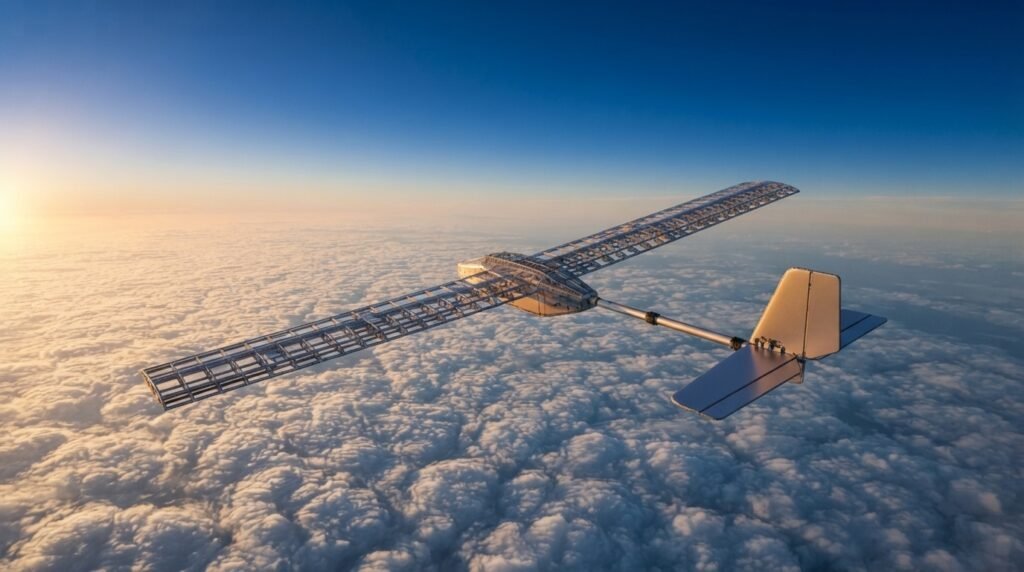
The 8-hour Solar Endurance Glider keeps sensors in the air across a full working day u2014 border and coastline monitoring, pipeline and powerline inspection, precision agriculture, and disaster-area survey.
Photovoltaic endurance means fewer launches, fewer batteries, and a fraction of the operating cost per surveyed kilometer.
03

Space & Planetary

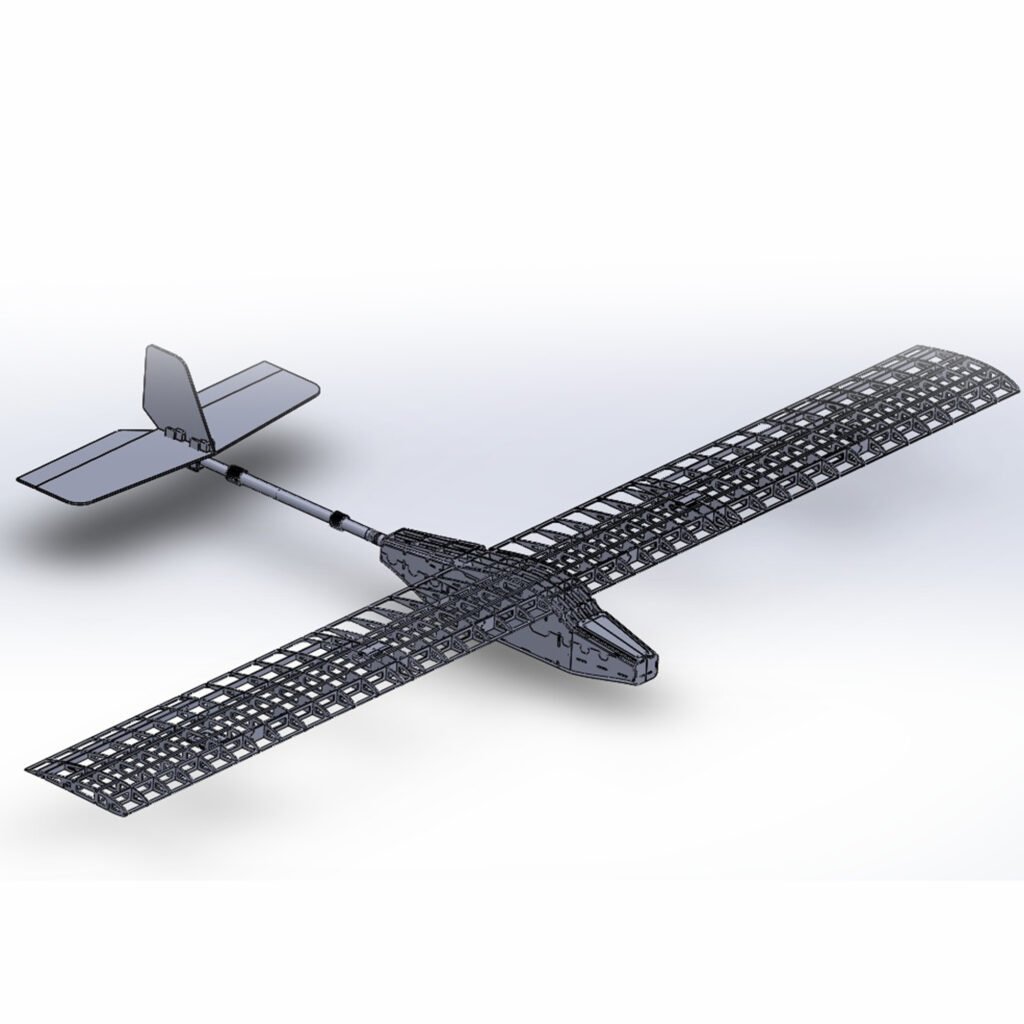
Every planet with an atmosphere is a flight environment u2014 with the right wing. Our lab designs and CFD-validates airfoils for non-Earth atmospheres: TITANIS for Titan’s dense cryogenic nitrogen, and multi-element low-Reynolds airfoils for the thin COu2082 skies of Mars.

We study flightu2028on other worlds

Our R&D program models aerodynamics beyond Earth u2014 CFD-validated airfoils for Titan’s dense cryogenic atmosphere and Mars’s thin COu2082 skies. The same low-Reynolds expertise flows directly into our terrestrial aircraft.
TITANIS, our Titan exploration UAV concept, and our Martian airfoil and coaxial-rotorcraft research programs define the frontier of the lab.

Fly it. Analyze it. Improve it.

Space ALPHA Mission Control System plans and commands missions in the field; Space ALPHA Log Analyzer turns every flight log into engineering insight.